As a resident of the southeastern United States, I was within impact of the almighty Hurricane Helene.
Seldom a word said about this tropical cyclone beforehand. Just another typical storm, perhaps it will last measly hours. This is not an unusual perspective from a southerner, as Atlantic storms happen incredibly often, and it seems to rain around here at least 300 days out of the year. I have an abundance of childhood memories of being graced with weeks off from school due to potential dangerous circumstances, hardly ever coming to light aside from strong winds and days of rain.
But Helene was different. Beware of the Hs.
A sudden shift in direction; a quick and swift rise to power and Mother Earth’s imitation of Sherman’s March to the Sea. A death toll slowly rising; an epic financial disaster; mass, arborical casualties and homes completely leveled . . .
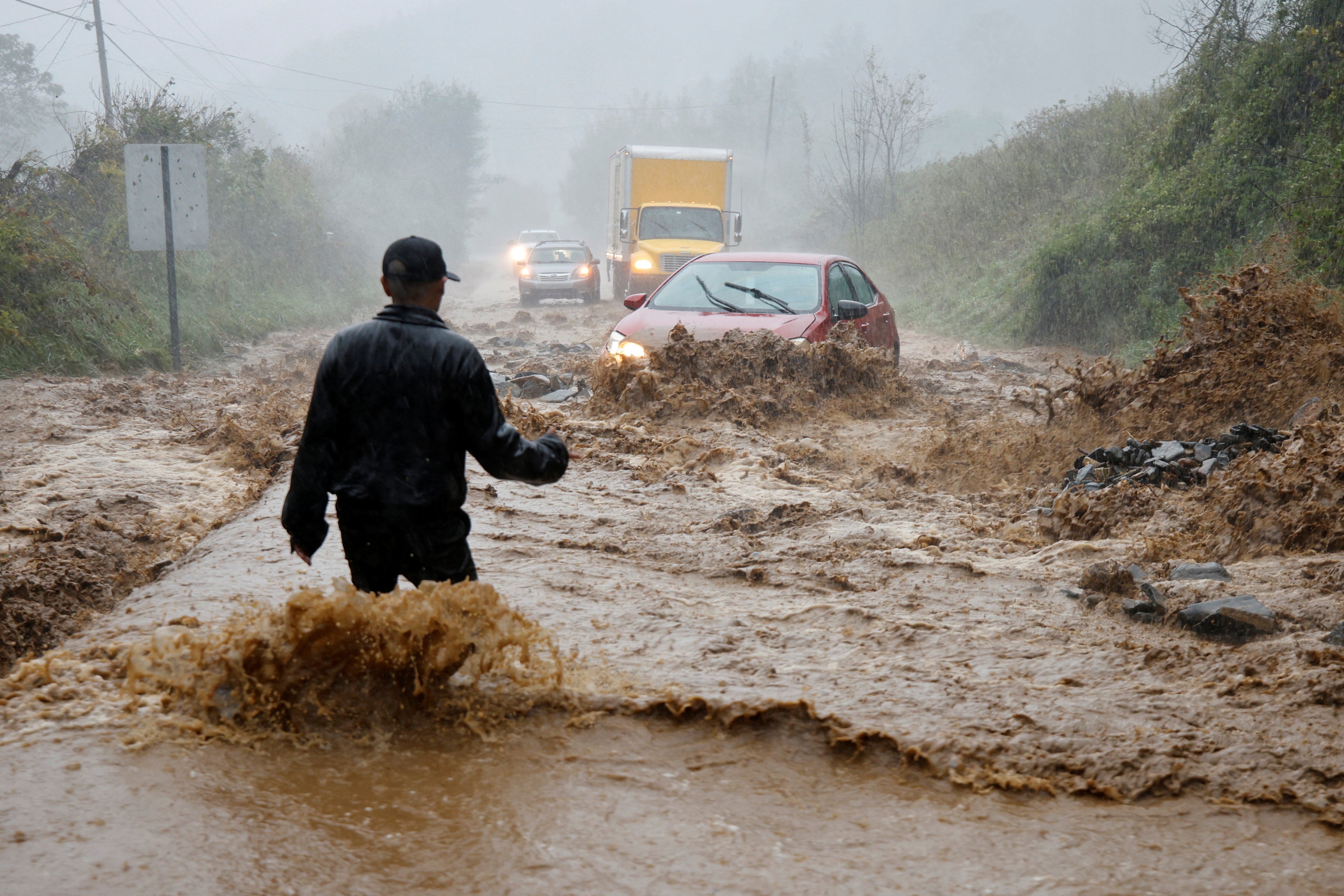
For South Carolina, this has been the deadliest storm since the infamous 1989 Hurricane Hugo. Places like Atlanta, and more-so Asheville and its surrounding areas are completely inundated. Some of my childhood travel sports are wiped from the face of the planet as if Genesis’ Great Flooding decided to take it one step at a time.
Photo from The Independent
Luckily for myself, my area suffered a massive punch to the face for only a day. Several houses in my neighborhood are ruined, and large trees have tumbled through fences and homes and streets. The power had been out for two to three days, as part of the incredible 4.5 million power outage metric. My town, typically aglow like a parade of giant fireflies, had been completely engulfed in darkness. The traffic lights were off, restaurants and retailers were all closed . . . an instant shortage of meats and gasoline and ice was due to the brisk onslaught of mass apocalyptic mentality, paired with failing refrigeration.
For me, in the grand scheme of things, the outcome was not so bad. I mean . . . a power outage for only two days? I can find protein sources outside of chicken and beef. Also, my house and vehicle are perfectly okay. My life has not been upheaved.
But this is not the case for a lot of people. Some others lost their livelihoods . . . and their life. The death toll has hit over 60 thus far.
Just from simple observations in my area, plant life is scattered like carnage and people are constantly praying to Dominion Energy–like angels in the flesh–to receive light and air-conditioning. It remains hot like Hell here. The other night we hid in the basement at the alarms of tornado warnings, but fortunately nothing came to fruition (although it certainly sounded like a tornado was happening outside). Well, overall, it was certainly a dent in my otherwise boring week.
And who knows? There are eight identifiable hurricanes in the Atlantic within 2024. More is to come. With the warming waters and extended summers . . . we must be prepared.
————————————————–
The Tower Arcana is a signifier for disruption. We must brace ourselves for uncertainties and sudden changes within our lives.
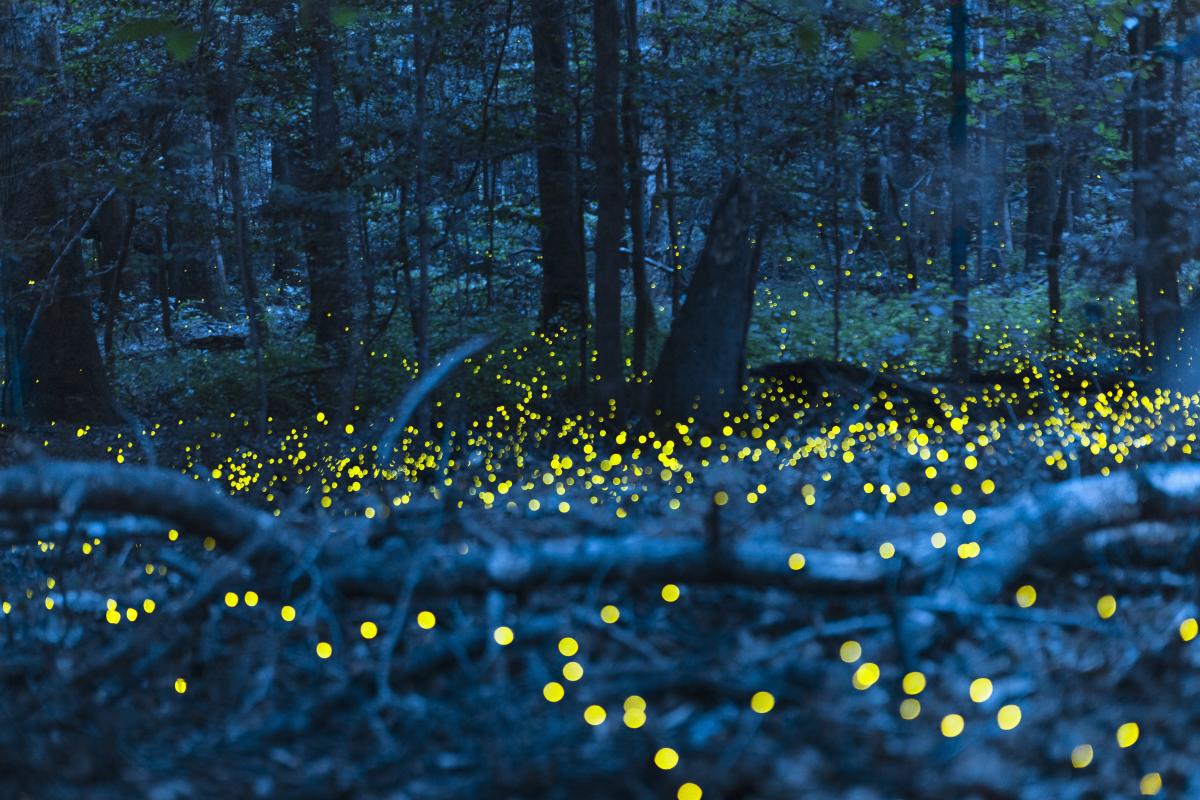
Typically, my community witnesses a flurry of fireflies–or “lightening bugs”–in the early summer months. My backyard becomes alluringly lit up by these creatures in the warm breezes of May and June. This is about the time of year where my local park hosts a “Firefly Festival,” a synchronous viewing event where one can peacefully watch these little critters flash like twinkling stars in search of a mate.
This annual event has been occurring for the majority of my life. This is the marker in which my body and spirit know that summertime has arrived, and there is never a moment where the summertime skies are completely devoid of light. The days are longer, and the nights have become illuminated by nature.
However, this has not been the case for 2024. In repeated attempts, I would seek out the lightening bugs outside for months and months to very little success. I awaited May, June, July, and even August to see the light show that always naturally falls into my view. Not anymore.
Where did all the fireflies go? I wonder; this unanswered curiosity had left me somber.
I cannot really think of anything too unusual happening in my community. Perhaps it has been the rapid increase of urbanization as the population continues to skyrocket here due to mass migration. Perhaps this leads to more light pollution, confusing the poor insects. Or, rather it is the typical circumstances of climate change, being one of the hottest summers on record. I am honestly unsure.
But, just the other night, as September dawned upon us: there they were. The fireflies are returning. I saw their gentle glows outside of my bedroom window, returning to brighten up my nights as the daylight hours begin to diminish with the encroaching equinox. My yard has been illuminated once again, and like eye-candy I watched them dance around for hours.
This is not their typical mating season, though. While I have finally been able to spot them, the fireflies are not as abundant as they would’ve been months ago. But, that’s alright. I am glad they are here.
The fireflies are quite late this year, and while their presence in September is not entirely unusual, I cannot help but wonder where they have been hiding all this time . . .
————————————————–
The Star Acana is a signifier for renewed hope. We shall accept these blessings from the universe and look positively towards the future.
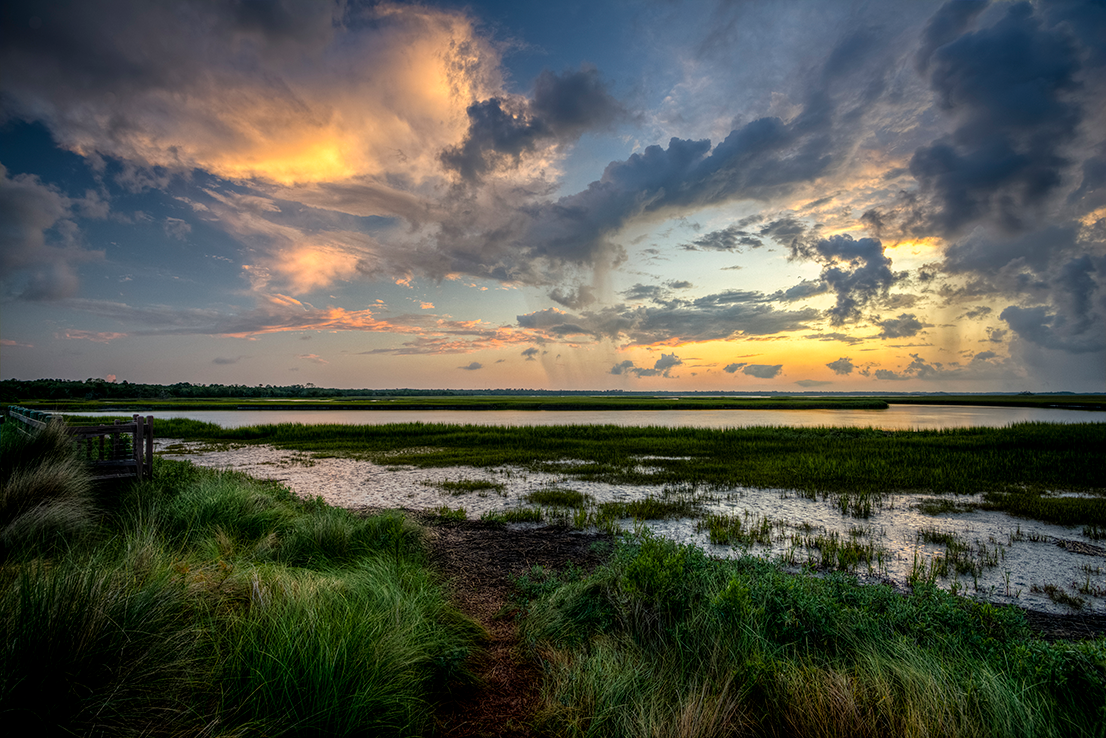
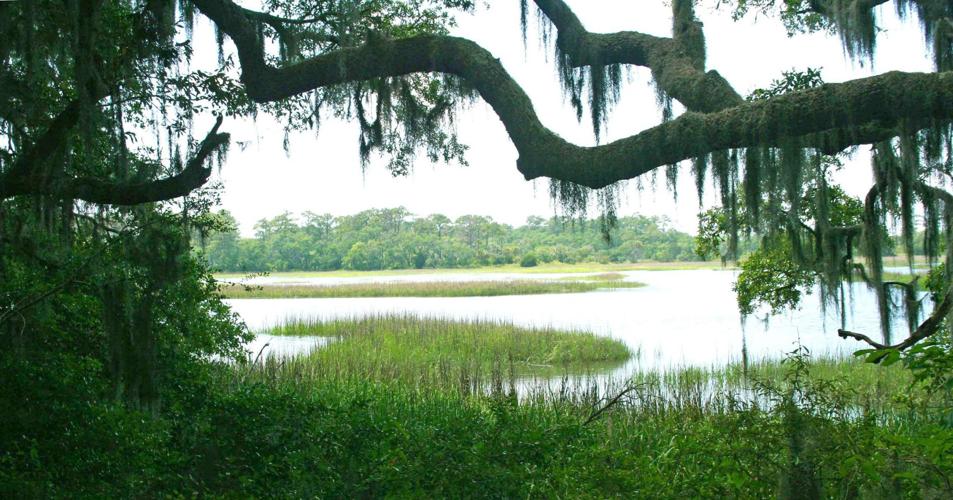
In great news, at a personal level, I finally have the ability to move into a new home–within a small city surrounded by wetlands. I have lived along coastlines my entire live, encompassed by peat, moss, turtles and frogs. Being said, I also have firsthand experience of the unfortunately rapid decline of this beautiful biome.
Photo from Kiawah Island Community Association
Although, I feel as if discourse surrounding the degradation of the wetlands often gets overshadowed or ignored. Perhaps this is because many feel irked by the mushy, mustiness of swamps and bogs; the imbedded associations with mosquitoes, potential disease, and even the mythical (e.g., ogres of course); and out of any “body of water,” wetlands do not come to mind when considering the leisure of swimming.
Unless you are a wetlands local, it is unlikely that you will hear about its benefits, and the issues they face. There is a variety of external factors contributing to the loss of this ecosystem, including pollution, microplastics, land privatization, highway construction, and the introduction of invasive species.
The Decline of the Wetlands
The situation is quite bad.
To point out a specific example, let’s talk about the city of Charleston, South Carolina, which is a heavily popular tourist area located around marshes and blackwater swamps.
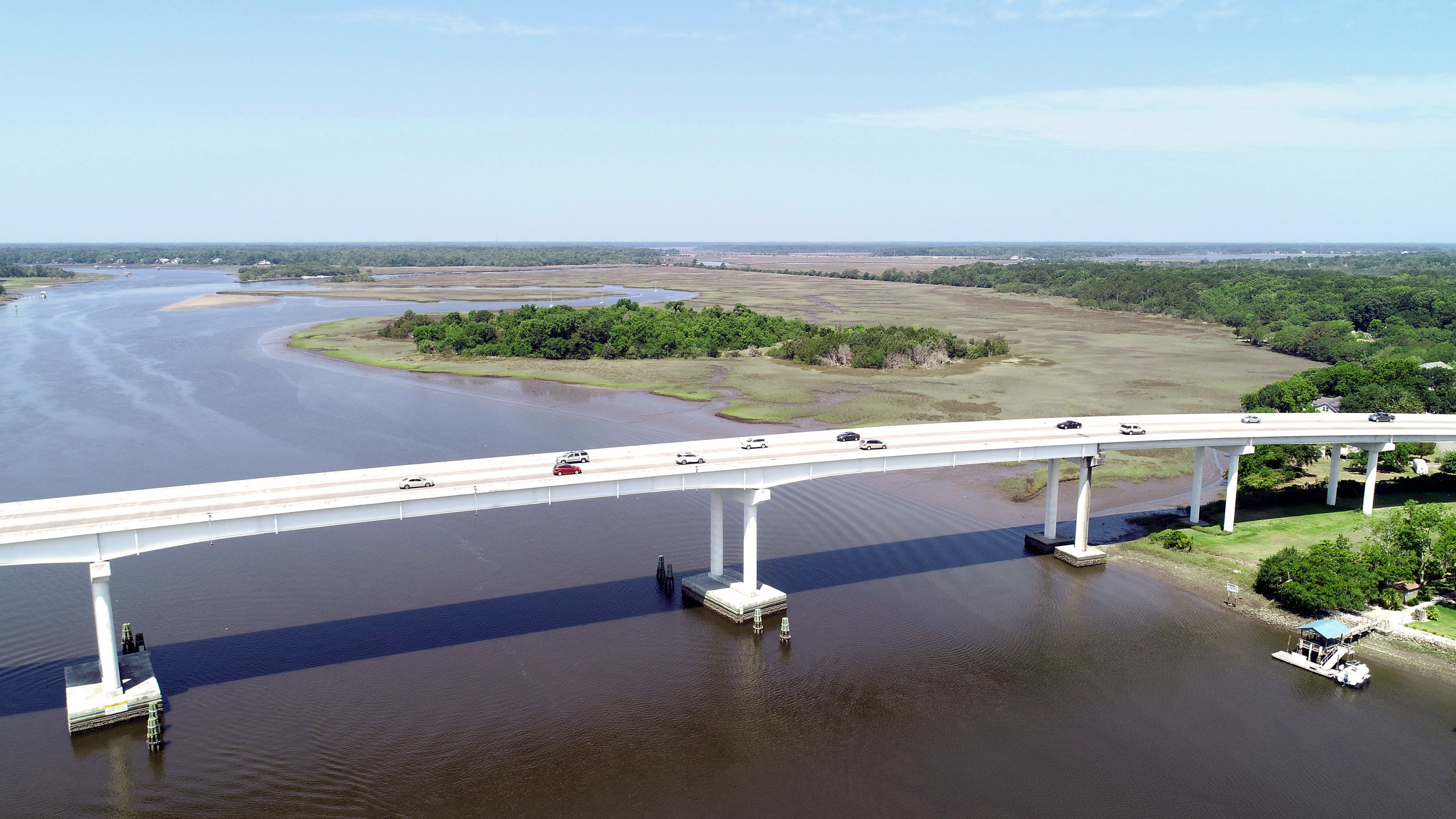
Photo from the Mark Clark Extension website
Last year, the South Carolina Department of Transportation proposed the Mark Clark Extension Project aiming to fill in 38.53 acres of wetlands with the I-526 Extension. The intention is to lessen the density of the infamous Charleston traffic, and “increase safety and mobility.” To be more specific, according to The Post and Courier, “the project would impact 27.49 acres of freshwater wetlands, 0.02 acres of streams and tributaries and 11.02 acres of tidal/Critical Area Waters.” Not only that, but much acreage of James Island County Park will be affected as well, including its public access to creeks and climbing walls.
The funding for this project will be heavily reliant on the 2024 sales tax referendum happening in November. So far, it seems that the issue is heavily contentious, and is being opposed by nonprofits like the Coastal Conservation League. Voting “yes” to re-approve Charleston’s transportation sales tax will cause the 9% sales tax to persist until 2041, with 34% of it going to the I-526 Extension.
Highway development is only one component towards the decline of the wetlands, in which signifies that wetlands are nothing more than a “nuisance” to human activity.
Photo from The Post and Courier
Over 33% of the world’s swamps, bogs, marshes, and fens have disappeared since 1970. Due to this decline, 83% of freshwater species are now facing endangerment and extinction. This is a big deal. In case you are wondering what this means for humankind, the loss of wetlands will dwindle the ability to partake in outdoor recreation, like fishing, hunting, photography, and utilizing its flora for aesthetic, consumption, or healing purposes. Most importantly, however, humans need wetlands for flood, storm, and erosion protection, carbon capture, and to purify polluted water.
It is quite sad. This precious, productive natural resource is facing a lonely abandonment.
—————
Interactive Advocacy
On a lighter, somewhat random note, I recently was able to play a game called Kamaeru: A Frog Refuge that came out earlier this summer.
Photo from Movies, Games and Tech
I enjoy video games, and while Kamaeru is not a perfect title, it reminds me that video gaming can be an interesting, interactive advocacy tool. Many people nowadays play games–or at the very least this hobby has been more normalized–and gaming has the potential to spread awareness of issues that may otherwise be overlooked.
Kamaeru is a cozy “creature collector” that focuses on wetland restoration and the preservation of frog species. It teaches key ideas about carbon capture, how invasive species (e.g., nettles) affect native ecosystems, and how humans can harness the abundant resources wetlands provide, like berries and cattails. In the meanwhile, players can also decorate and expand their “frog sanctuary” and accrue different colors and patterns of adorable froggies. The frogs had been victims of wetland degradation, and the main protagonists Axel and Cleo are trying to reconstruct their home.
Another fun video game is called Kudzu, a modern-day aesthetical callback to the Gameboy era featuring the wicked power of the kudzu plant. Kudzu is a climbing, fast-growing perennial vine native to East Asia, but has unfortunately invaded North America, overtaking and killing indigenous plants and preventing the growth of small hardwood trees.
Photo from Movies, Games and Tech
The game plays in a Metroidvania fashion, and humorously delves into the destructive, almost wizardly abilities of Kudzu, which the player must face heinous creatures and rescue their mentor, Master Zoen. While Kudzu is not particularly a conservation-oriented game, it does offer a creative take on the plant and its real-world dastardliness.
—————
I mention these video games because aforementioned, I think video gaming is a great way to spread the message about something as undermined as the wetlands. Not many people encounter this biome on a daily basis, but it is nonetheless of major significance, and it is an ecosystem I have called home for decades . . .
**Also, to note, I wrote game reviews for both Kamaeru: A Frog Refuge and Kudzu on Movies, Games and Tech! Here is the link to my portfolio there: https://moviesgamesandtech.com/author/kjoliet13/
————————————————–
The Suit of Wands is a signifier for creative approaches to everyday problems. We must harness passion and innovation to incite change.
“Climate change is a lot like death. We all understand it’s inevitable, but few of us truly accept it.”
– Brian McDermott
Even as pressing issues penetrate the public sphere, true action continues to operate at a snail’s pace.
On a daily basis, I am sure, we are constantly reminded of impending climate doom and environmental disaster. It is a taxing thought, for advocates and deniers alike. Those who try in any manner feel the weight on their shoulders and this inkling of doubt that their personal efforts provide no more than a fraction of a decimal of change. To those who still manage to deny any sort of climate change are only coping in their own way. It is the simple solution to put things on the back burner, but can lead to disastrous results.
It is silly to say that individual effort will cause massive change (it is big corporations we need to glare at) . . . but it will do something, even if it’s as little as improving your mental well-being. To anyone and everyone, regardless of how “real” and how “human-driven” our changing climate is . . . why not do something anyways? This planet is our home, and deserves nurturing and respect. The earth is our collective mother.
The point of this blog is to spread further awareness on environmental issues and educate readers on current ongoings. Awareness is the first step, and knowledge is key. I will happily share my findings and opinions here, and whatever else I yearn to write. Read at your own leisure.
————————————————————————————-
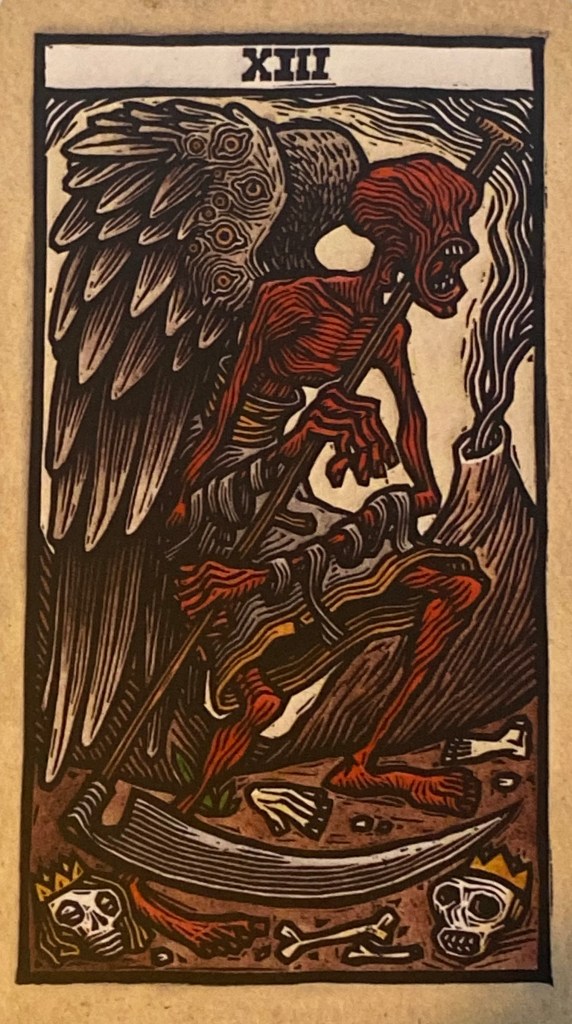
The Death Arcana is a signifier for change and transformation. Old habits must die, and new, more thoughtful practices will make way.





 Blue Mushroom