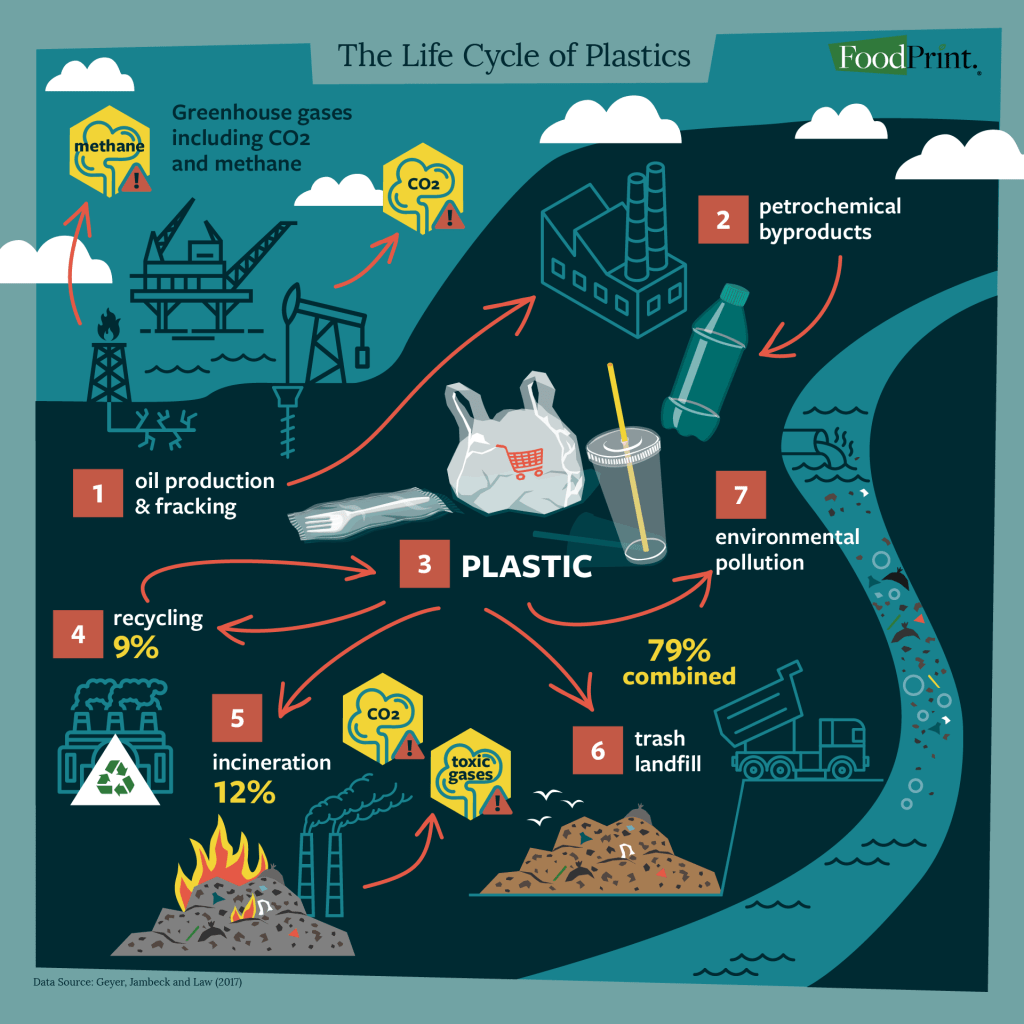
It is not uncommon knowledge that plastics are posing serious threats towards society and the environment, regardless of manufacturer intentions. Plastics are anywhere and everywhere – cosmetics, children’s toys, product packaging, washer and dryer emissions, et cetera. While these polymers are deeply ingrained into the supply chain, scientists and researchers uncover more knowledge every year on its adverse and unsustainable effects on humans, animals, and the environment alike.
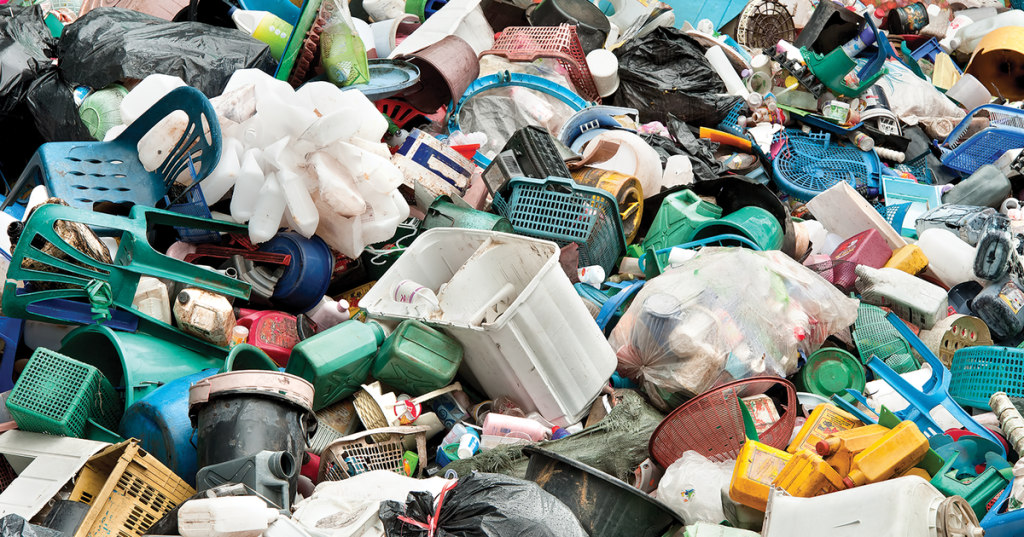
Plastic pollution is a major driver in environmental advocacy. Plastics have horrendously invaded cityscapes, freshwater, beach and ocean biomes galore, and we have now detected microplastics in not only the intestines of fauna but even the human bloodstream. While there is uncertainty of the full extent of microplastic damage, it is concerning nonetheless. Asbestos, radium, and lead make way . . . this is the age of plastic people!
Figuring out how to mitigate plastic pollution is a huge challenge. Society cannot mass exodus all plastic product into oblivion, of course. Plastics are found in all sorts of consumer goods, and suddenly doing away with it all would truly puncture the standard of living of modern times. It is not our fault.
Leave No Trace
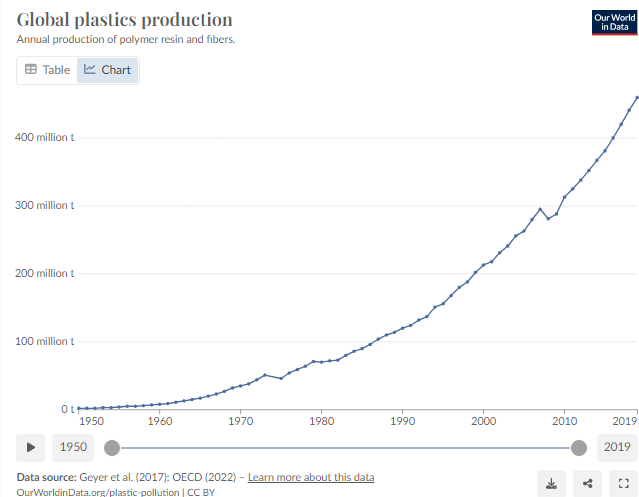
One action most of us are able to do (to some extent) is lessening plastic waste. According to the United Nations’ Environmental Programme, as of 2021, humanity produces 400 million metric tons of plastic waste annually. That is approximately worth . . . 57,142,857 heavy African elephants. Yikes.
I am, of course, guilty of this too. Despite my terrible feelings when it comes to tossing away damaged screen protectors and Ziplock bags, I just do not know what else I can do with them. There is recycling potential, but what am I going to do with a used plastic wrap?
Not too long ago, a friend reached out to me via text. We will call him Tim. Tim asked, “wanna make ecobricks and hang out?”
Of course, I think to myself, what the hell does that mean? I say, “now that’s an opening line. Never heard that one before.”
I had truly never heard of the term, so I inquired further.
Eco-Bricking
The definition is in the name. Ecobricks are sturdy, dense, eco-friendly “bricks” made out of recycled plastic. Specifically, they are crafted from transparent polyethylene terephthalate (PET) water bottles. You know, the typical Aquafina and Deer Park . . . otherwise most of the branded bottled waters.
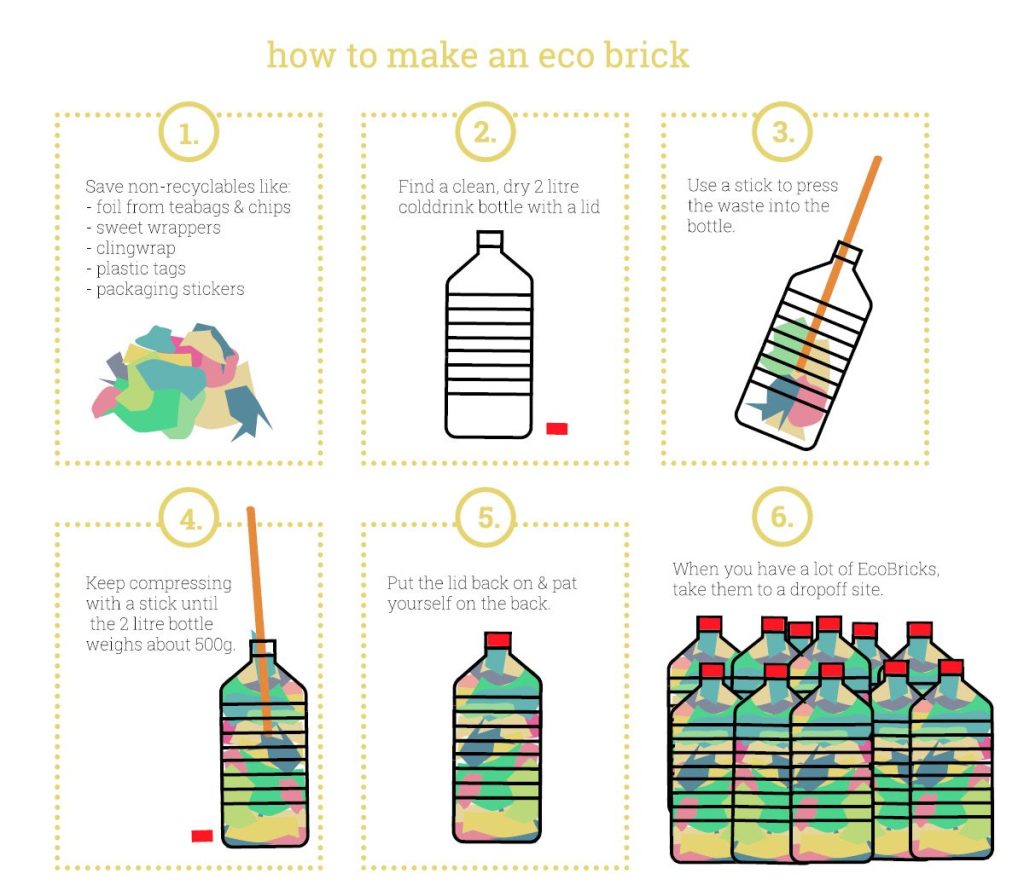
To make an Ecobrick, you must pack these plastic bottles solidly with a bunch of other small plastics. Yes – a brick made out of completely plastic! All of one’s plastic waste condensed into an object that can be used for greater things beyond landfills. According to the Ecobricks website, recycling plastics in this way prevents them from degrading into tiny microplastics; keeps trash out of landfills; and aids with carbon sequestration in which our Earth naturally does already.
This now-dubbed “plastic sequestration” is incredibly useful as it greatly prologues the lifespan of plastic, which is particularly good for making a long-lasting brick, but also it prevents abiotic degradation (i.e., caused by heat or pressure) of plastics, which releases harmful chemicals into the atmosphere: UV stabilizers, plasticizers, polyfluoroalkyl substances, phthalates, flame retardants, bisphenols, among others. In other words, compacting small plastics within a PET bottle will ideally stop this process from happening at all.
To make an Ecobrick, all you need are a few things: PET bottles, smaller plastics to fill it with, a pair of scissors (to cut down larger plastics), and a wooden or bamboo stick to shove and layer the materials through the opening of the bottle. You want to make sure the bottle is thoroughly compact, leaving no gaps/air pockets to prohibit flammability and potential degradation.

This can be a tedious process. It is fun and exciting at first, knowing that we can actually make a useful material out of our plastic “trash.” Yet, there are so many tiny requirements necessary for a well-working Ecobrick that does more good than harm. You must layer and compact the bottle with a stick which hardly has any surface area as it needs to fit through the cap. The first Ecobrick I made with Tim took a solid four hours to complete. Yes . . . one brick per four hours. Fortunately, it was not just Tim and I – we had a whole community group attend. Despite moving slowly on an individual basis, everyone was able to make a brick, resulting in a dozen completed. If you are interested in Ecobricking, I highly recommend working in a group setting. Perhaps Ecobricking would be wonderful for job creation, because it is surely a time-consuming activity.
One With The Soil
What are Ecobricks even used for? A lot of things!
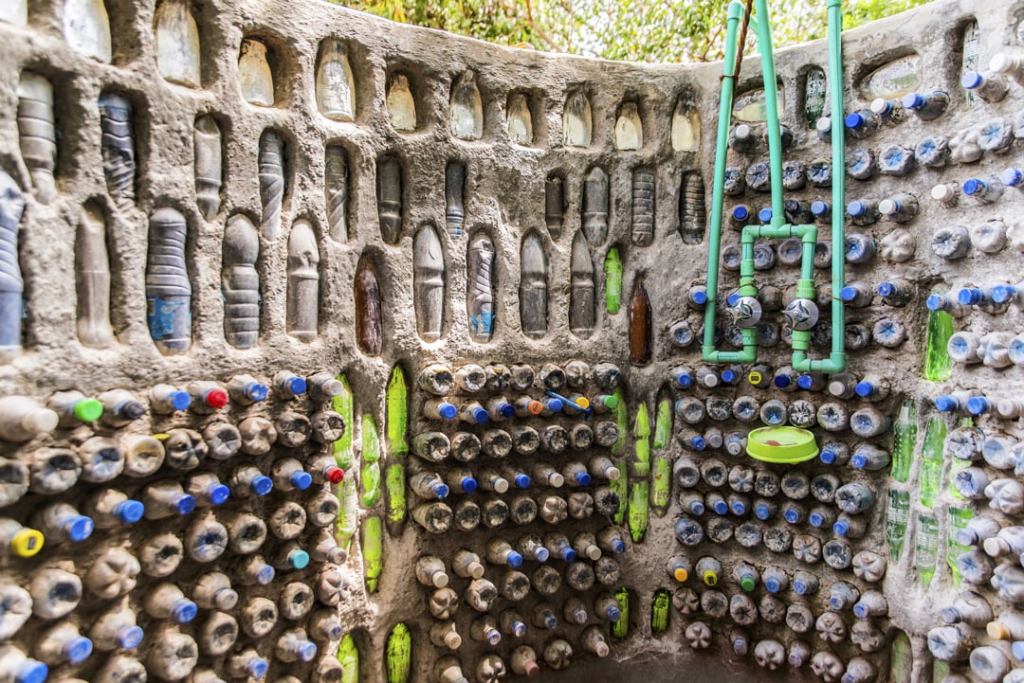
Most often, I have seen Ecobricks being used to build garden beds, small furniture items, art installations, playground structures, and walls. They are indeed sturdy enough for this. Surprisingly, Ecobrick structures look charming. One might thing that a recycled plastic structure would look a bit odd and dull-colored, but it is quite the opposite. An array of blues, whites, and greens, shimmering from the bottle’s reflection of light. So, do not fret potential “ugliness.” If you so desire, you can be meticulous enough to craft a color scheme.
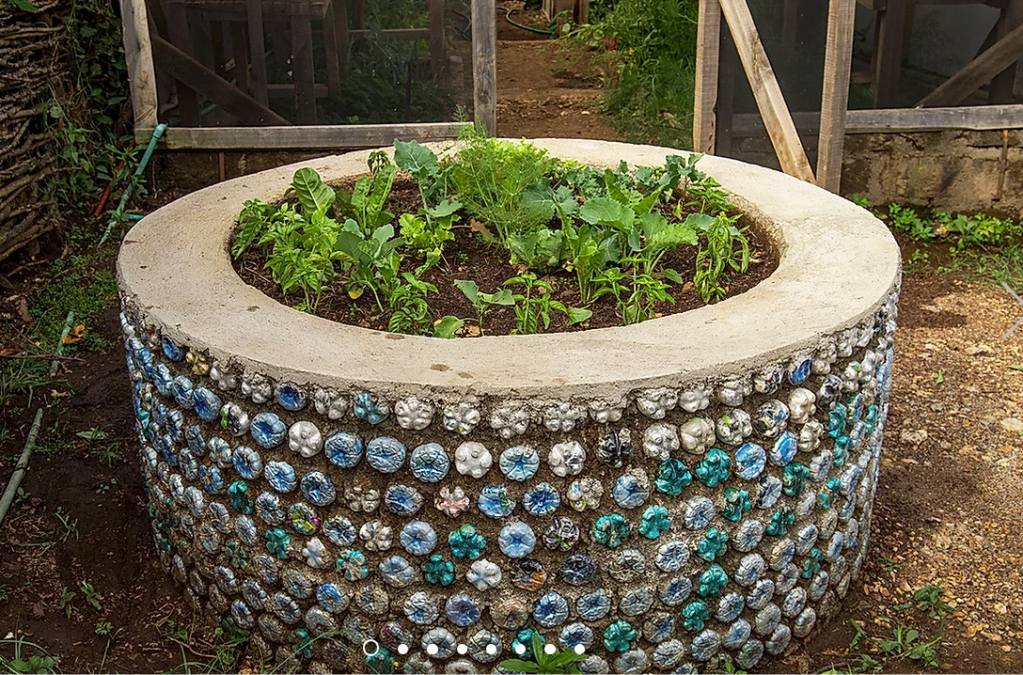
My first project with Tim and gang is to build garden beds. We are still in the process of making one, so once it moves along I will update on it here.
The Good, The Bad, and The Ugly
While Ecobricking harbors a plethora of positive implications, this activity comes with downsides. Of course, what doesn’t?
Firstly, as mentioned, Ecobricking is insanely time-consuming. The idea of recycling plastic in this manner is wonderful, but hardly achievable if you are an individual with a busy family or work life. Making Ecobricks alone is not recommended as it could take months upon years to craft anything useful. Otherwise, you might just have a bunch of disassembled plastic and water bottles laying around your house indefinitely.
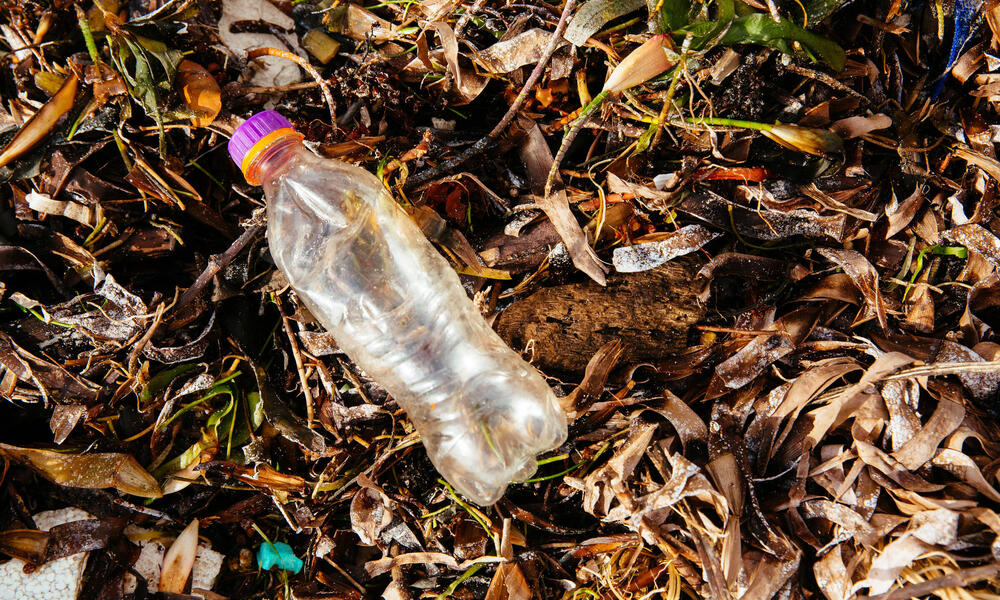
What makes this activity even more trouble is how specific the process is. You will want to make sure that the plastic scraps you use are clean and dry – nothing with food waste on it either. The PET bottles need to be dried out completely. Why? Well, bacteria and mold just love to grow in organic, wet conditions. This does not exclude plastics unfortunately. And again, with the mistake of leaving air pockets in the bottle can cause abiotic degradation; heat, light, and pressure will cause air to expand and poke microscopic holes in the brick, releasing gas containing harmful chemicals. The toxins will disperse into the soil, into waterways, and into the air . . . so not really any better than it would have been in a garbage dump. Humans are naturally prone to error, so making perfectly dry, compact Ecobricks every attempt is not an easy thing to achieve. On little mistake and the brick is obsolete.
These mistakes will lead to faster degradation, ultimately ruining their utility as construction material. This is why it is not recommended to build large structures with Ecobricks anyways. The Ecobricking website suggests wrapping clay soil around the bricks to prevent any possible deterioration, but even this method is not full-proof (clay can erode too)!
Who is to say the Ecobrick I made is perfectly sound? Maybe I unknowingly left some air pockets. I am unsure, it was my first one. Does this mean my four hours of labor are for naught?
To Ecobrick, or To Not Ecobrick?
There are so many positive benefits yet potentially negative consequences to Ecobricking . . . or so it seems.
It is of course a laborious, highly-detailed process, making sure your brick is absolutely perfectly clean, dry, and compact every time. Slight errors can ruin the Ecobrick fully, causing faster degradation. Then again . . . even if your Ecobrick has flaws, is a landfill any better? Are you, the individual, more at fault for plastic pollution or are manufactures and corporations who are making the plastics to begin with?
I would say, if you have the time, give Ecobricks a chance. It is better to try and fail than to do nothing at all. Ecobricking is ideally a great way to reduce plastic waste within the household, and costs a whopping $0 to do. Additionally, as it did with me, Ecobricking is a great way to foster a community with a common concern for the environment. I had a great time making Ecobricks with Tim and other members of the community I am either friends with or have not met before. It is easy to have conversations, listen to music, and simply coexist while simultaneously performing a simple, manual task.
There are of course other and potentially more efficient ways of mitigating plastic problems, like attending beach cleanups, refilling plastic bottles, or just avoid buying plastic at all . . . but it does not hurt to be intrigued by creative solutions. Again, it is better to try and fail than do nothing at all.
————————————————–
The Suit of Wands is a a signifier for creative approaches to everyday problems. We must harness passion and innovation to incite change.
————————————————–

 Blue Mushroom
Leave a comment